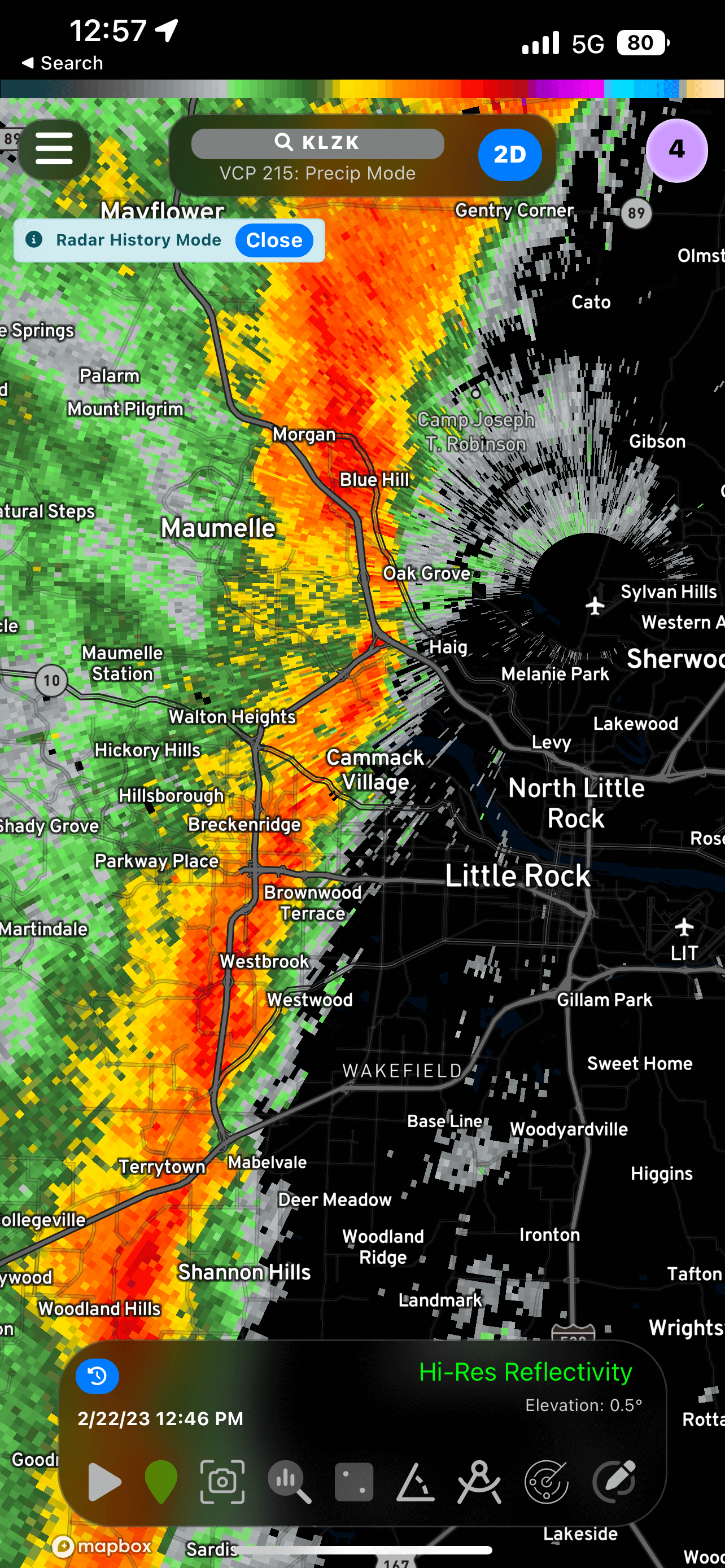
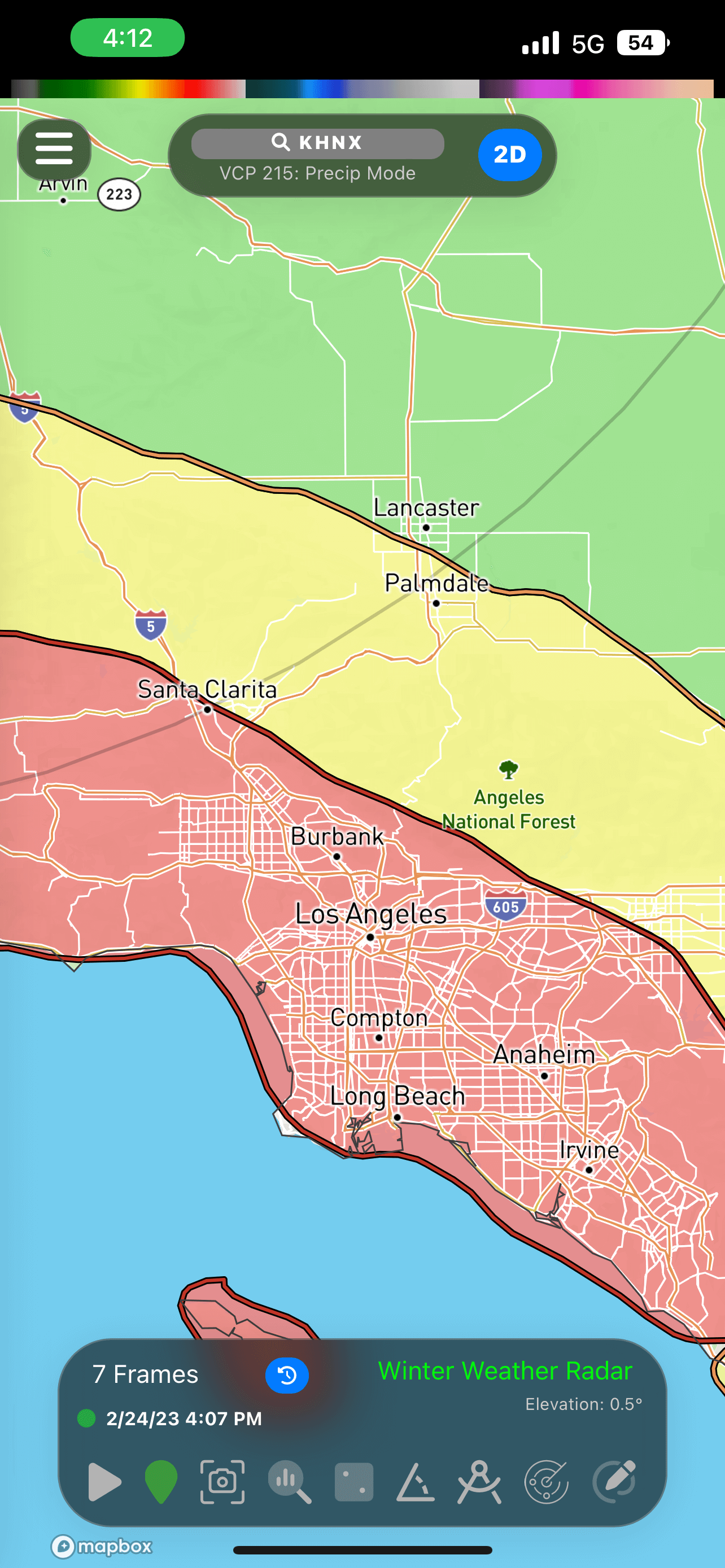
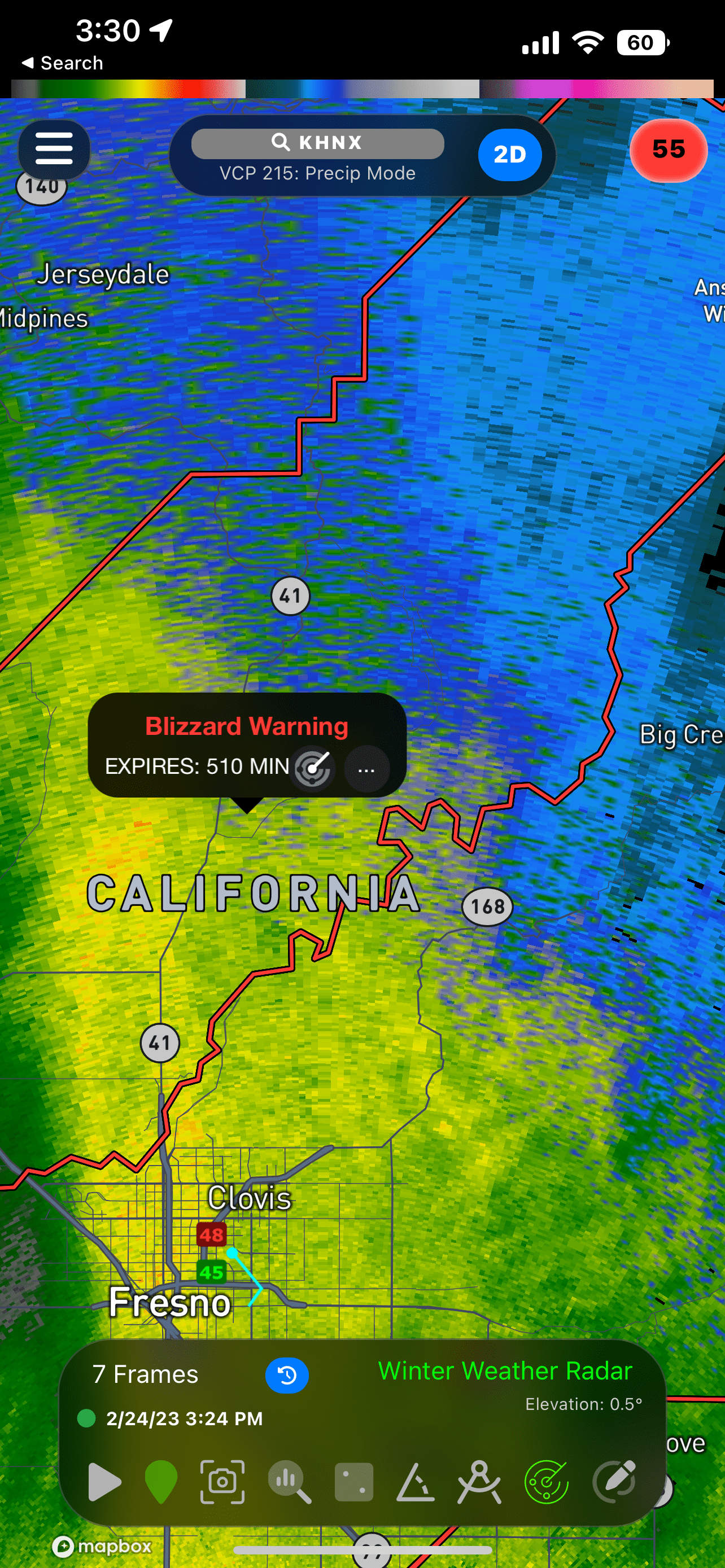
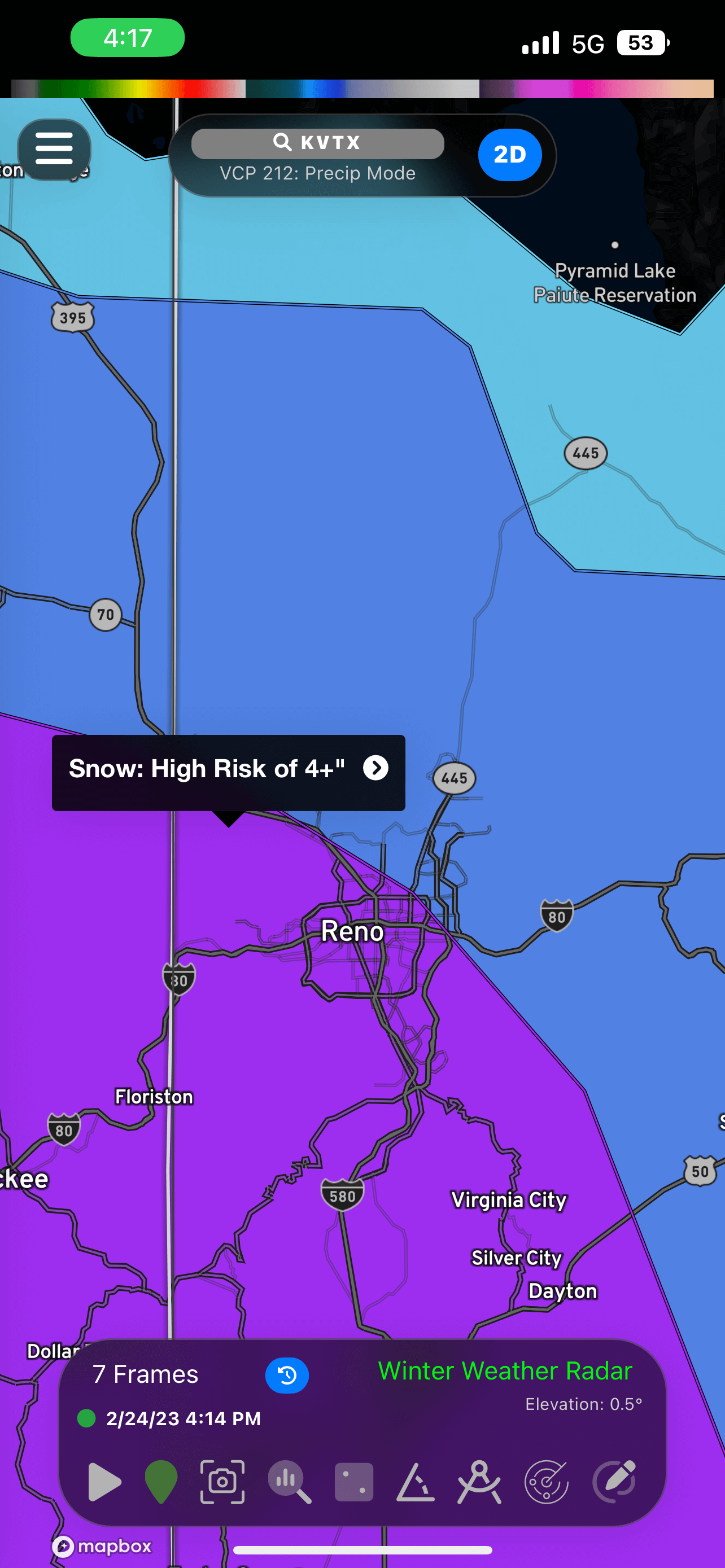
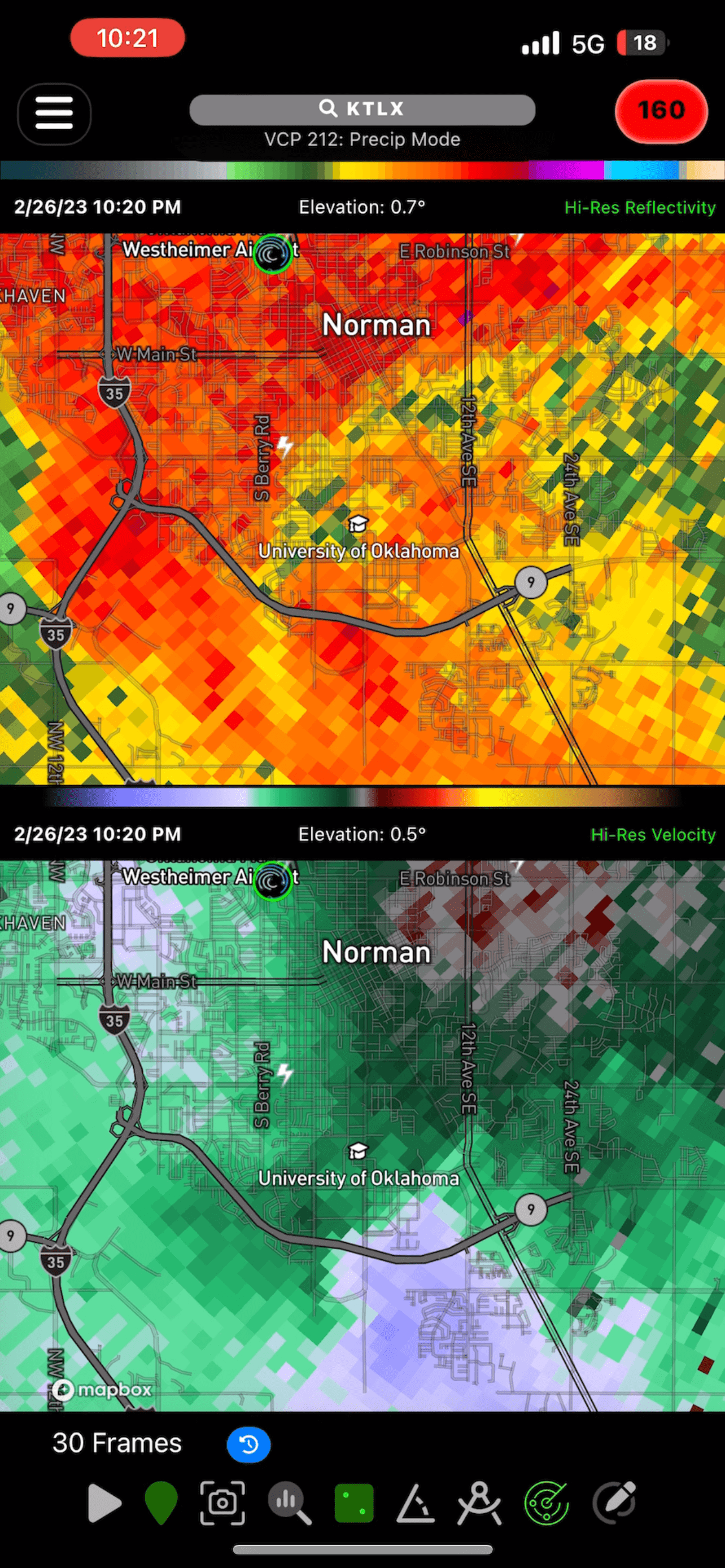
RadarOmega offers many hi-resolution radar products, including reflectivity and velocity. RadarOmega has all the tools you need for a rainy day!
One key feature about RadarOmega is the ability to have a unique viewing experience. From display settings to custom data layers, the possibilities are endless!
If you’re looking for more than just radar, look no further! RadarOmega is your one-stop shop for all your weather needs, such as official outlooks from the Storm Prediction Center, National Hurricane Center, and more.
Here at RadarOmega, we know how important it is to have the latest information when it comes to weather. Our focus is providing accurate, up-to-date information directly from the source. We strive to provide users with one of the most powerful weather applications available, with a focus on continuous improvements and innovations.
RadarOmega provides high resolution single site radar data to help keep you aware of rapidly changing weather conditions, faster than most conventional weather applications on the market. RadarOmega has more features available with the base application than any other software out there!
The one-stop shop radar app. Here are just a few of the many features RadarOmega has to offer with the base app!
RadarOmega provides hi-resolution radar data from single site radars across the world. Whether you need reflectivity, velocity, or dual-polarization products, RadarOmega has you covered.
Whether your primary concern is severe weather, flooding, or winter weather, RadarOmega offers a multitude of outlooks and discussions directly from the National Weather Service:
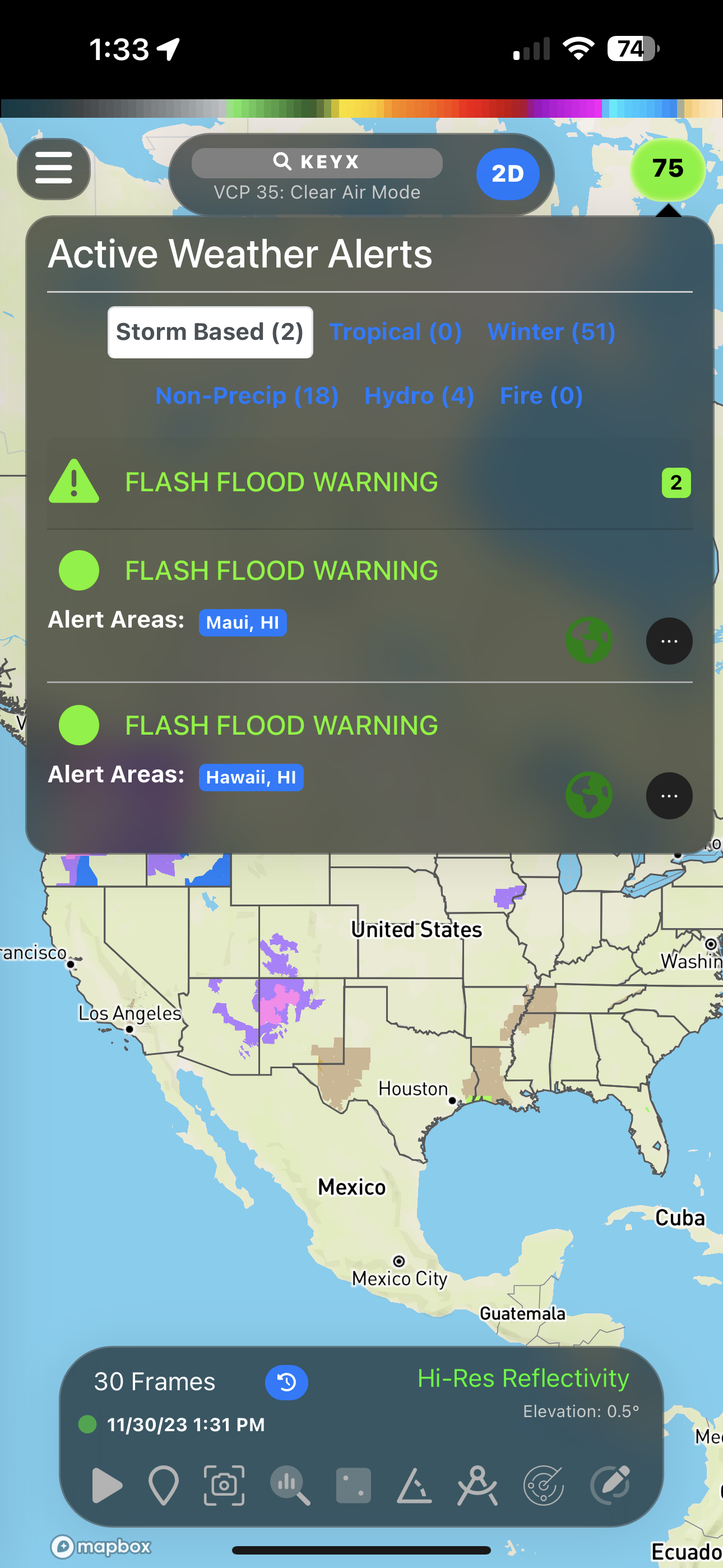
Real-time weather alerts issued by the National Weather Service, right at your fingertips:
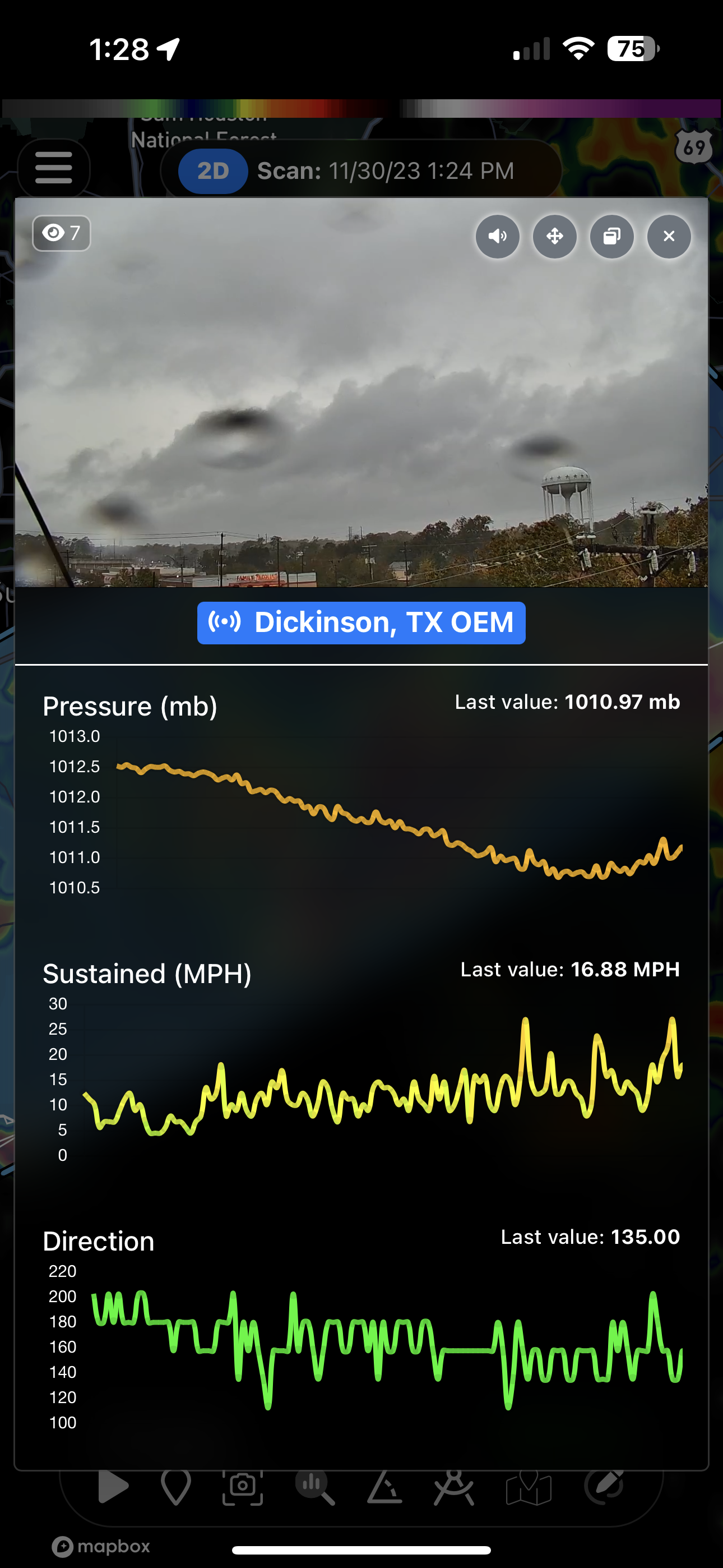
With a wide variety of tools that allow you to customize your radar viewing experience, RadarOmega is the most customizable radar software out there! We provide the option to smooth radar data, choose the number of frame animations, overlay custom locations as well as local storm reports, and even view live cameras and sensor data from our state-of-the-art cyclonePORT network – all within the RadarOmega app.
Here at RadarOmega, we know that making important decisions involves more than just knowing if it is raining. Lightning detection allows you to view lightning strikes within range of the radar tower you have selected, helping you decide if you need to put your lightning safety plan into action.
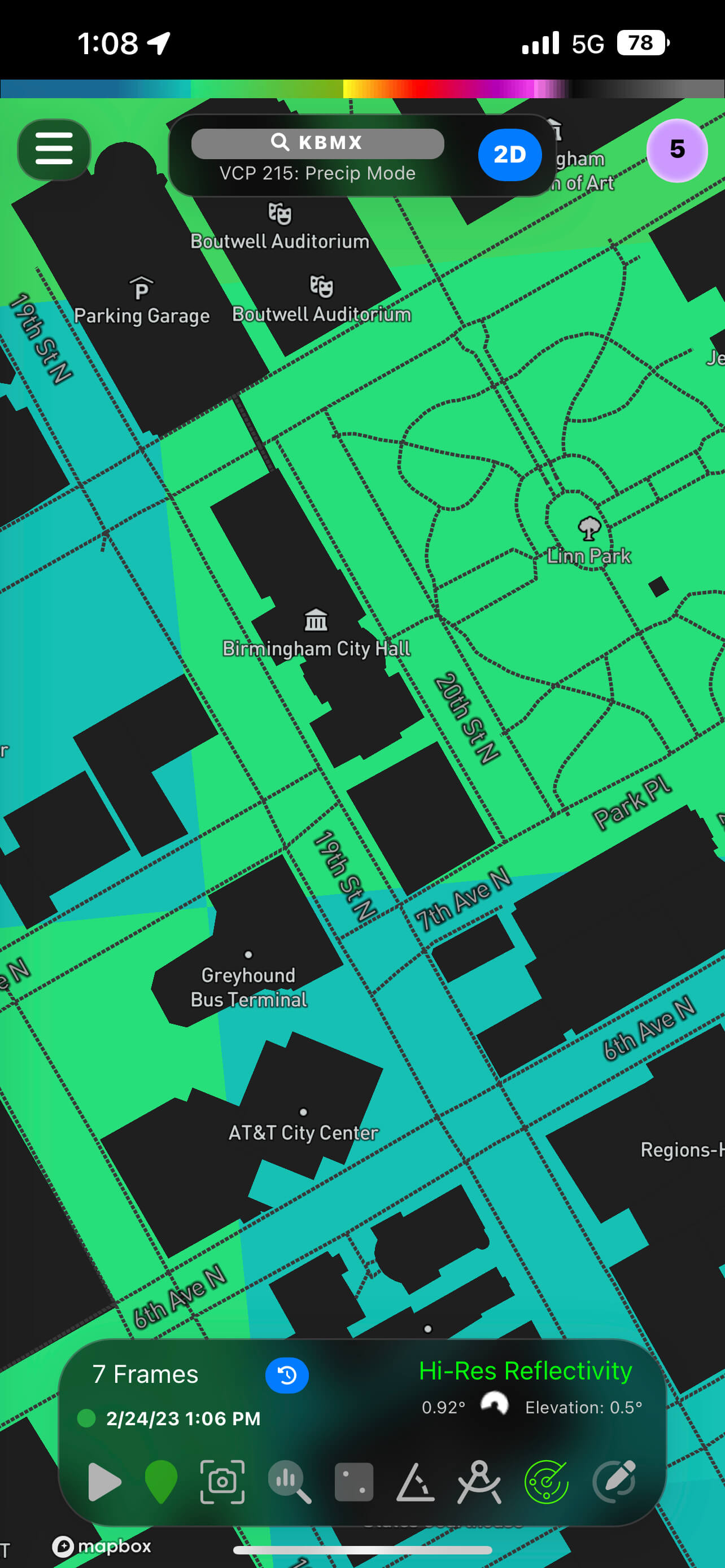
Unique Mapbox integration gives you the power to choose from 10 different map types with the ability to zoom in to building level! Detailed maps with cities, towns, road names, and bodies of water are available in dark, light, and satellite presentations.
*Base Application is NOT cross-platform between App Stores.
Finally, there is the possibility of quiet change. Perhaps the sister has changed in ways the younger sibling refuses to see. She may have stopped biting her nails, learned to budget, started therapy, or forgiven a past hurt. But if those changes don’t directly affect the sibling’s experience, they go unnoticed. The accusation of sameness often comes from selective attention. We notice what irritates us or what we depend on; we overlook subtle growth. Before concluding that an older sister hasn’t changed, it is worth asking: Have I really looked? Or have I been staring at the same old photograph, expecting her to stay inside its frame?
Below is a full, original essay exploring this idea. “My older sister hasn’t changed from a few years ago.” At first glance, this statement might sound like a simple observation of fact—a neutral remark on someone’s consistency. But within those words lies a complex emotional undercurrent. Depending on the speaker’s tone and history, this line can express affection, frustration, disappointment, or even quiet awe. In this essay, I will explore the multiple dimensions of what it means to say that a sibling—especially an older sister—has remained unchanged over time. Through psychological, relational, and personal lenses, I will argue that while such a statement often carries negative connotations of immaturity or rigidity, it can also point to steadfastness and reliability. Ultimately, the meaning of “unchanged” depends not only on the sister in question but on the observer’s own growth.
In conclusion, the statement “My older sister hasn’t changed from a few years ago” is deceptively rich. It can signal frustration with emotional immaturity, a confession of one’s own evolving expectations, a celebration of unwavering love, or a failure to perceive gradual transformation. To declare a sibling unchanged is not a final verdict but an invitation to deeper reflection. The older sister may indeed be static—but sometimes, stasis is a gift. Other times, it is a wound. The truth lies not in the sister alone, but in the relationship between who she has been, who the younger sibling has become, and who both are still trying to be. Perhaps the real question is not “Why hasn’t she changed?” but “What change am I asking for—and why does it matter so much?”
To provide a meaningful and complete essay, I will assume the intended phrase is:
Nevertheless, there are cases where lack of change is genuinely unhealthy. If the older sister has not grown emotionally—still unable to apologize, still blaming others, still avoiding responsibility for her actions—then the statement becomes a lament. Over several years, one expects a certain minimum of maturation. An older sister who still throws tantrums at thirty, or still manipulates family members as she did as a teenager, is not merely consistent; she is arrested. In these situations, the younger sibling may feel trapped in a dynamic where they are perpetually cast as the “little sibling,” even when they have surpassed the sister in emotional intelligence. The unchanged sister becomes an obstacle to a more adult, reciprocal relationship. The essay, in this reading, is a plea: I need you to meet me where I am now, not where we were five years ago.
On the other hand, “not changing” can be a profound compliment. In a world of constant upheaval—career shifts, geographic moves, political turmoil, digital saturation—having an older sister who remains recognizable can be an anchor. If her core values have stayed intact, if she still laughs the same way, still calls on Sundays, still makes the same comfort food, that consistency is not stagnation; it is loyalty. From this perspective, the essay’s opening line becomes tender. It means: despite everything that has tried to erode us, she is still my sister in the ways that matter most. The unchanged sister can represent a safe harbor. Many people long for someone who does not change, because everyone else—including themselves—shifts unpredictably. In families fractured by divorce, distance, or death, the sibling who “hasn’t changed” might be the only reliable thread to one’s own past.
First, it is important to consider the psychological interpretation of “not changing.” Human development is not a linear, predictable path. Many people assume that with age comes inevitable maturity—greater emotional control, deeper empathy, more responsible decision-making. When a sibling appears stuck in patterns from years earlier, it can feel jarring. For instance, if an older sister still reacts to conflict with the same silent treatment she used at fifteen, or if she still relies on the same defensive humor to deflect vulnerability, the younger sibling may feel that time has betrayed them. The sister who was once a protector or a role model may now seem frozen, while the younger sibling has evolved. This mismatch can generate disappointment, even resentment. The unspoken expectation is that older siblings, having been “ahead” developmentally, should remain ahead. When they don’t, the relationship’s balance tilts awkwardly.
However, the statement is rarely objective. It is filtered through the speaker’s own transformation. Consider the possibility that the younger sibling has changed dramatically—left home, pursued higher education, entered serious relationships, or faced trauma and recovery. From this new vantage point, the older sister’s same habits, same apartment, same jokes, and same coping mechanisms appear outdated. But has she truly not changed, or has the sibling’s perspective shifted so much that incremental changes are invisible? Often, what we call “not changing” is actually a failure to meet our new needs. The sister who once seemed wise may now seem simplistic—not because she regressed, but because the younger sibling no longer needs that kind of wisdom. In this sense, the accusation of stasis reveals more about the accuser’s journey than about the sister’s character.

*ALL subscriptions include desktop access.
Whether you’re using RadarOmega for personal use or professional use, desktop access can be a great addition to your weather toolkit.
Use RadarOmega simultaneously on your mobile device, tablet, and desktop!
Desktop gives you more screen space to analyze radar, satellite, models, and more!
With your subscription, all base application features can be accessed on desktop, along with the additional data included in your subscription package.
Desktop Access is available to all subscribers. A subscription can be purchased by creating an account within the “Manage Subscription” section from the side menu of the mobile app.
After you purchase a subscription, you can download the native application from radaromega.com. We support Windows, Mac and Linux. You cannot access RadarOmega via a web browser.
Once you have a subscription and RadarOmega is installed on your desktop, just login with your account information to access your subscription features on desktop!
See RadarOmega in action here! You can also visit our official Twitter page (@RadarOmega) or Facebook page (RadarOmegaApp) to see all the unique ways you can use RadarOmega during severe weather, winter storms, hurricanes, and more.
Finally, there is the possibility of quiet change. Perhaps the sister has changed in ways the younger sibling refuses to see. She may have stopped biting her nails, learned to budget, started therapy, or forgiven a past hurt. But if those changes don’t directly affect the sibling’s experience, they go unnoticed. The accusation of sameness often comes from selective attention. We notice what irritates us or what we depend on; we overlook subtle growth. Before concluding that an older sister hasn’t changed, it is worth asking: Have I really looked? Or have I been staring at the same old photograph, expecting her to stay inside its frame?
Below is a full, original essay exploring this idea. “My older sister hasn’t changed from a few years ago.” At first glance, this statement might sound like a simple observation of fact—a neutral remark on someone’s consistency. But within those words lies a complex emotional undercurrent. Depending on the speaker’s tone and history, this line can express affection, frustration, disappointment, or even quiet awe. In this essay, I will explore the multiple dimensions of what it means to say that a sibling—especially an older sister—has remained unchanged over time. Through psychological, relational, and personal lenses, I will argue that while such a statement often carries negative connotations of immaturity or rigidity, it can also point to steadfastness and reliability. Ultimately, the meaning of “unchanged” depends not only on the sister in question but on the observer’s own growth.
In conclusion, the statement “My older sister hasn’t changed from a few years ago” is deceptively rich. It can signal frustration with emotional immaturity, a confession of one’s own evolving expectations, a celebration of unwavering love, or a failure to perceive gradual transformation. To declare a sibling unchanged is not a final verdict but an invitation to deeper reflection. The older sister may indeed be static—but sometimes, stasis is a gift. Other times, it is a wound. The truth lies not in the sister alone, but in the relationship between who she has been, who the younger sibling has become, and who both are still trying to be. Perhaps the real question is not “Why hasn’t she changed?” but “What change am I asking for—and why does it matter so much?” -My older sister hasn-t changed from a few year...
To provide a meaningful and complete essay, I will assume the intended phrase is:
Nevertheless, there are cases where lack of change is genuinely unhealthy. If the older sister has not grown emotionally—still unable to apologize, still blaming others, still avoiding responsibility for her actions—then the statement becomes a lament. Over several years, one expects a certain minimum of maturation. An older sister who still throws tantrums at thirty, or still manipulates family members as she did as a teenager, is not merely consistent; she is arrested. In these situations, the younger sibling may feel trapped in a dynamic where they are perpetually cast as the “little sibling,” even when they have surpassed the sister in emotional intelligence. The unchanged sister becomes an obstacle to a more adult, reciprocal relationship. The essay, in this reading, is a plea: I need you to meet me where I am now, not where we were five years ago. Finally, there is the possibility of quiet change
On the other hand, “not changing” can be a profound compliment. In a world of constant upheaval—career shifts, geographic moves, political turmoil, digital saturation—having an older sister who remains recognizable can be an anchor. If her core values have stayed intact, if she still laughs the same way, still calls on Sundays, still makes the same comfort food, that consistency is not stagnation; it is loyalty. From this perspective, the essay’s opening line becomes tender. It means: despite everything that has tried to erode us, she is still my sister in the ways that matter most. The unchanged sister can represent a safe harbor. Many people long for someone who does not change, because everyone else—including themselves—shifts unpredictably. In families fractured by divorce, distance, or death, the sibling who “hasn’t changed” might be the only reliable thread to one’s own past.
First, it is important to consider the psychological interpretation of “not changing.” Human development is not a linear, predictable path. Many people assume that with age comes inevitable maturity—greater emotional control, deeper empathy, more responsible decision-making. When a sibling appears stuck in patterns from years earlier, it can feel jarring. For instance, if an older sister still reacts to conflict with the same silent treatment she used at fifteen, or if she still relies on the same defensive humor to deflect vulnerability, the younger sibling may feel that time has betrayed them. The sister who was once a protector or a role model may now seem frozen, while the younger sibling has evolved. This mismatch can generate disappointment, even resentment. The unspoken expectation is that older siblings, having been “ahead” developmentally, should remain ahead. When they don’t, the relationship’s balance tilts awkwardly. But if those changes don’t directly affect the
However, the statement is rarely objective. It is filtered through the speaker’s own transformation. Consider the possibility that the younger sibling has changed dramatically—left home, pursued higher education, entered serious relationships, or faced trauma and recovery. From this new vantage point, the older sister’s same habits, same apartment, same jokes, and same coping mechanisms appear outdated. But has she truly not changed, or has the sibling’s perspective shifted so much that incremental changes are invisible? Often, what we call “not changing” is actually a failure to meet our new needs. The sister who once seemed wise may now seem simplistic—not because she regressed, but because the younger sibling no longer needs that kind of wisdom. In this sense, the accusation of stasis reveals more about the accuser’s journey than about the sister’s character.

RadarOmega is available on iOS and Android!
Available on
Google Store
Available on
Apple Store
All subscribers – Alpha, Beta, and Gamma – have desktop access.
Available on
Windows
Available on
MacOS
Available on
Linux
We value feedback from RadarOmega users. Have questions, concerns, or suggestions? Feel free to reach out to us!