What made XP worthy of a “for life” devotion? First, it was remarkably durable. Unlike the finicky Windows ME or the resource-hungry Vista that followed, XP ran efficiently on modest hardware. It booted with a reassuring firmness, its taskbar a familiar anchor in a sea of beige CRT monitors and dial-up tones. For those who grew up troubleshooting IRQ conflicts or defragmenting hard drives, XP felt like the final, polished evolution of the classic Windows 9x kernel. It was the operating system that “just worked”—a revolutionary concept at the time.
To declare “Windows XP 4 Life” is not merely to express loyalty to an operating system; it is to stake a claim in a specific era of computing—one defined by stability, simplicity, and a distinct visual identity. Released in 2001, Windows XP was not Microsoft’s first attempt at a graphical interface, but it was its most beloved. For millions, the rolling green hills of the “Bliss” default wallpaper represent the digital frontier of their youth. The slogan, often scrawled on internet forums or etched into memes, is a nostalgic rallying cry against the relentless tide of planned obsolescence and complex modern interfaces.
Of course, the reality is impractical. As of 2014, Microsoft ended support, leaving XP dangerously exposed to security vulnerabilities. The internet of today—with its HTML5 streams, TLS 1.3 certificates, and aggressive malware—is incompatible with an OS frozen in time. To actually run XP in 2026 is to court disaster or isolate oneself in a digital museum. The phrase, therefore, is not a technical recommendation but an emotional badge. It signals a preference for function over flash, for offline ownership over cloud dependence, and for a time when a computer felt less like a surveillance device and more like a loyal friend.
Ultimately, “Windows XP 4 Life” is a memorial. It marks the end of an age when software could be complete, when a green hill and a blue taskbar were enough to make you feel like the master of your machine. We may not run it forever, but we will carry its philosophy with us: that technology should serve us, not the other way around. And for that, Windows XP truly lives on.
Second, “Windows XP 4 Life” is a quiet protest against modern software bloat. Today’s operating systems are cloud-dependent, telemetry-heavy, and designed for constant updates. They demand attention, harvest data, and shift icons at will. XP, by contrast, was a finished object. It did not need to “phone home.” It offered a static, predictable environment where a user could shut off automatic updates and feel a sense of digital autonomy. To swear by XP is to reject the subscription-based, always-online model of contemporary computing in favor of a tool that simply obeys its owner.

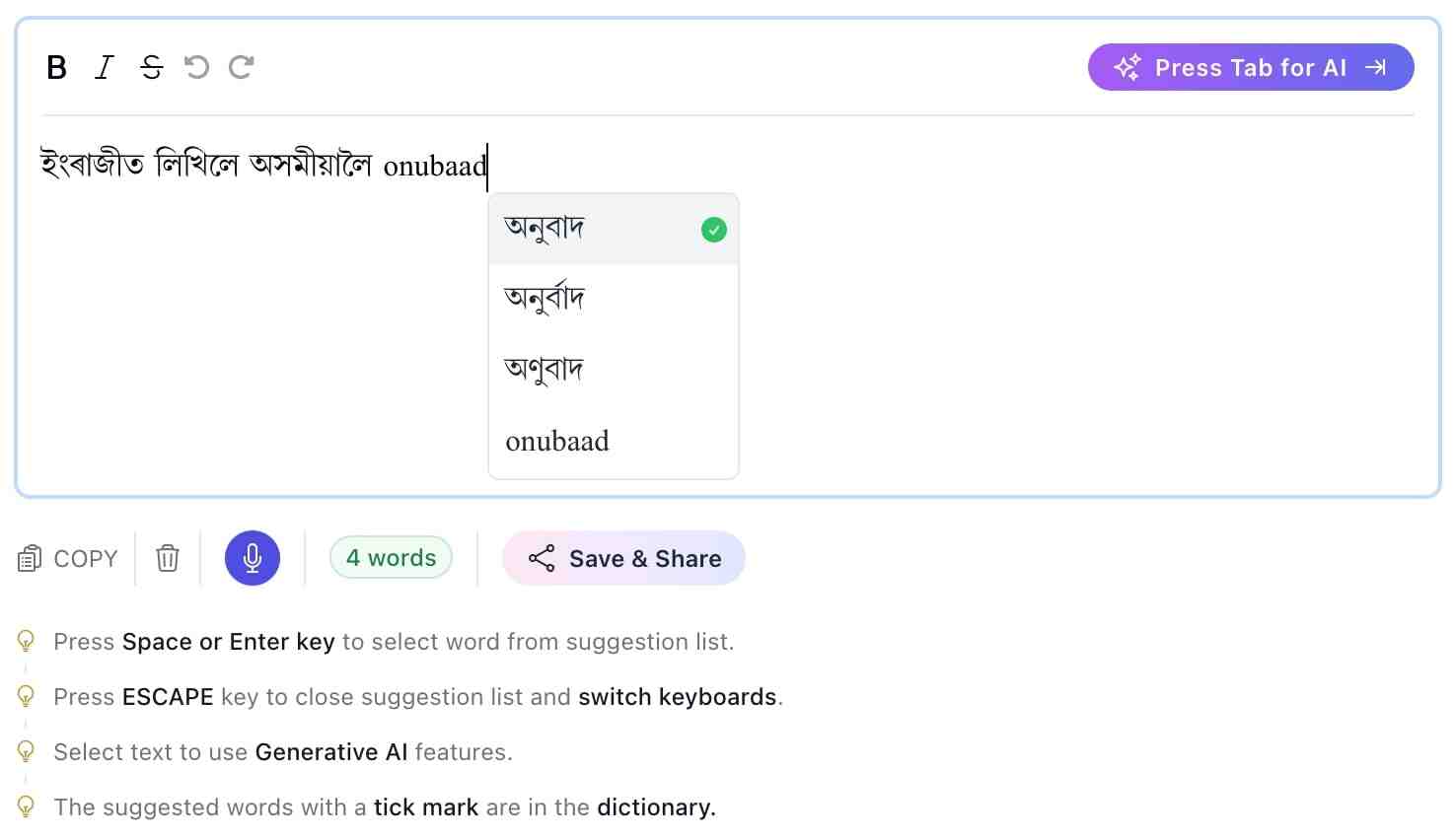
Experience the power of our AI-powered keyboard. Type Assamese faster than ever, even if you don't know the script!
Type Assamese words using English letters and get instant Assamese result.
Get real-time spelling corrections as you type for error-free writing.
Choose from smart AI suggestions to speed up your typing and improve accuracy.
No prior experience needed. Start writing Assamese in minutes!
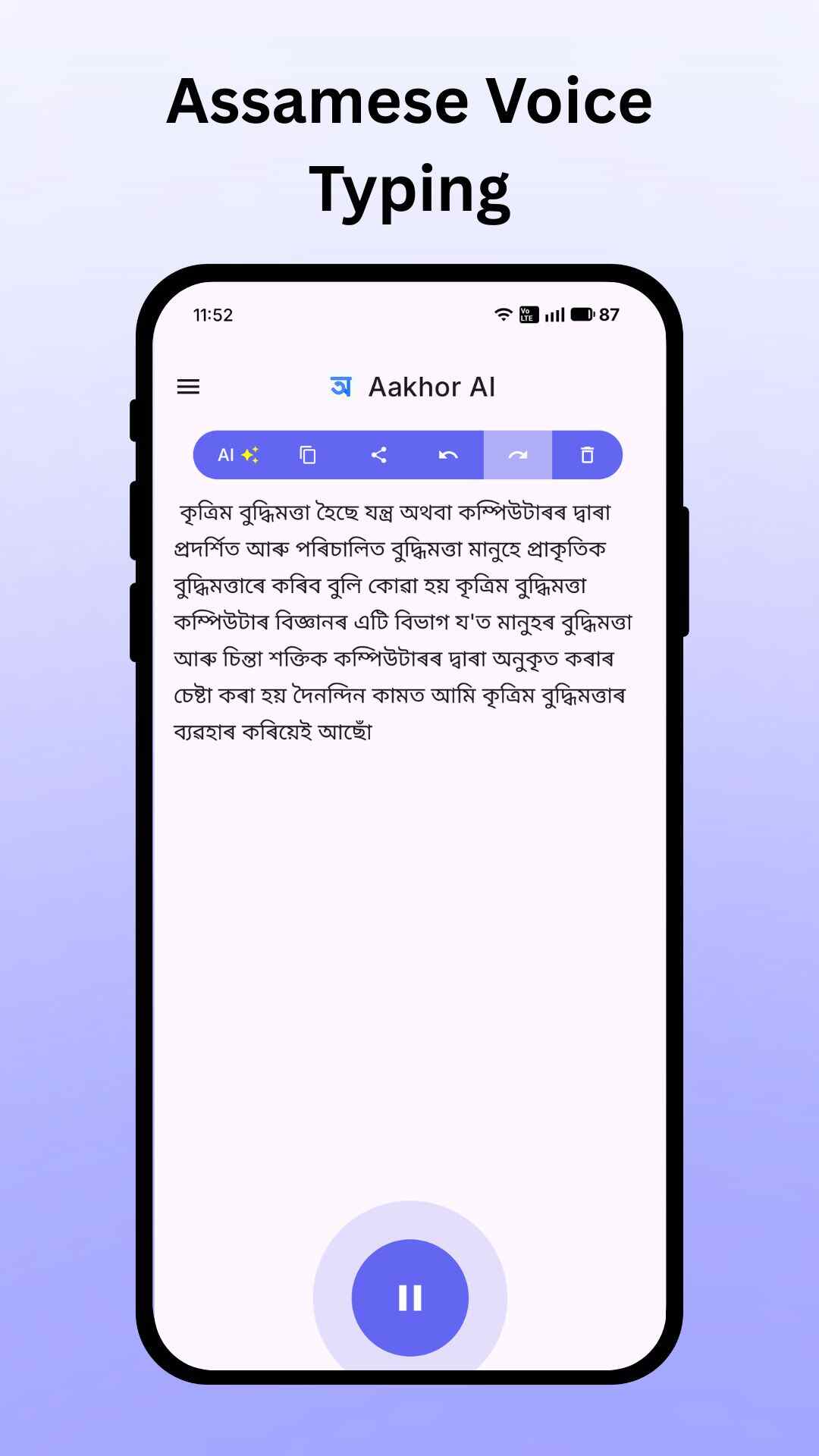
Type Assamese effortlessly by speaking. Our AI voice typing feature converts your speech to Assamese text in real time, making writing faster and more accessible for everyone.
Use Audiorelay mobile app to use your phone as a microphone for desktop
Experience seamless Assamese typing on your phone with our AI-powered mobile app. Enjoy voice typing and smart suggestions for a faster, easier writing experience.
Speak and see Assamese text appear instantly—no typing needed.
Get instant word suggestions as you type for faster, error-free writing.
Get advantage of our all-in-one toolkit
Save important thoughts instantly and access them from anywhere.
Easily share your notes with anyone.
Find word meanings, synonyms, and usage with our smart dictionary.
Utilize the power of our tools right from your browser.
Trained on millions of Assamese words, Aakhor AI lets you write blazing fast, even with zero typing experience.
What made XP worthy of a “for life” devotion? First, it was remarkably durable. Unlike the finicky Windows ME or the resource-hungry Vista that followed, XP ran efficiently on modest hardware. It booted with a reassuring firmness, its taskbar a familiar anchor in a sea of beige CRT monitors and dial-up tones. For those who grew up troubleshooting IRQ conflicts or defragmenting hard drives, XP felt like the final, polished evolution of the classic Windows 9x kernel. It was the operating system that “just worked”—a revolutionary concept at the time. windows xp 4 life
To declare “Windows XP 4 Life” is not merely to express loyalty to an operating system; it is to stake a claim in a specific era of computing—one defined by stability, simplicity, and a distinct visual identity. Released in 2001, Windows XP was not Microsoft’s first attempt at a graphical interface, but it was its most beloved. For millions, the rolling green hills of the “Bliss” default wallpaper represent the digital frontier of their youth. The slogan, often scrawled on internet forums or etched into memes, is a nostalgic rallying cry against the relentless tide of planned obsolescence and complex modern interfaces. What made XP worthy of a “for life” devotion
Of course, the reality is impractical. As of 2014, Microsoft ended support, leaving XP dangerously exposed to security vulnerabilities. The internet of today—with its HTML5 streams, TLS 1.3 certificates, and aggressive malware—is incompatible with an OS frozen in time. To actually run XP in 2026 is to court disaster or isolate oneself in a digital museum. The phrase, therefore, is not a technical recommendation but an emotional badge. It signals a preference for function over flash, for offline ownership over cloud dependence, and for a time when a computer felt less like a surveillance device and more like a loyal friend. It booted with a reassuring firmness, its taskbar
Ultimately, “Windows XP 4 Life” is a memorial. It marks the end of an age when software could be complete, when a green hill and a blue taskbar were enough to make you feel like the master of your machine. We may not run it forever, but we will carry its philosophy with us: that technology should serve us, not the other way around. And for that, Windows XP truly lives on.
Second, “Windows XP 4 Life” is a quiet protest against modern software bloat. Today’s operating systems are cloud-dependent, telemetry-heavy, and designed for constant updates. They demand attention, harvest data, and shift icons at will. XP, by contrast, was a finished object. It did not need to “phone home.” It offered a static, predictable environment where a user could shut off automatic updates and feel a sense of digital autonomy. To swear by XP is to reject the subscription-based, always-online model of contemporary computing in favor of a tool that simply obeys its owner.
Contact us for enterprise level solutions
Contact us